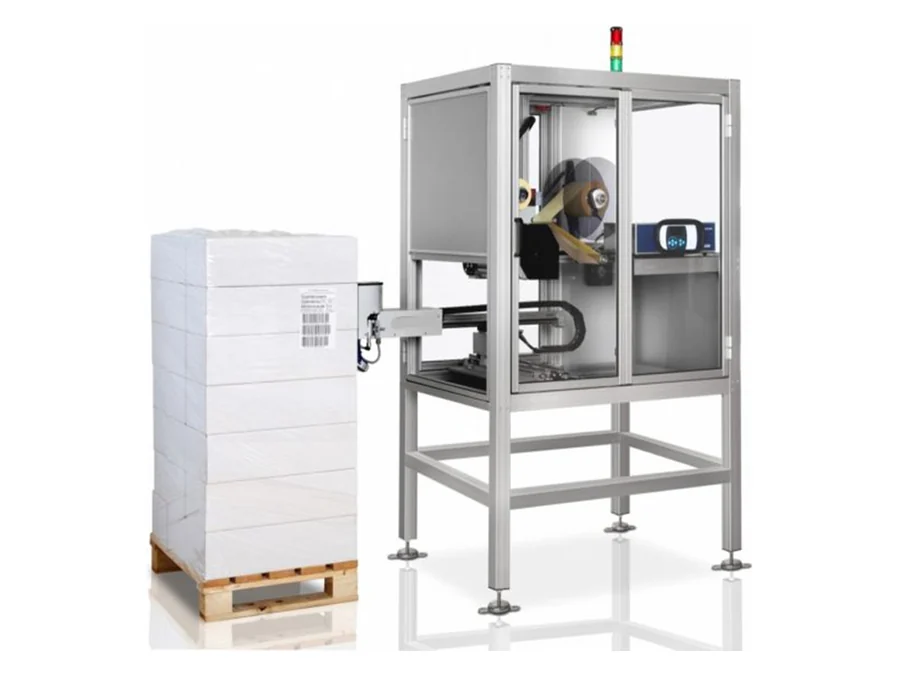
Logistics & fulfilment
Carton, tote and pallet identification with scannable barcodes and shipping labels.
Industrial label printer-applicators for barcode, batch, SSCC, QR and variable data labels. Specify tamp, wipe, corner-wrap and pallet labelling systems for production, warehouse and distribution lines.
Choose a system by pack type, label position, data source and line speed. Lancing UK can help you specify the right print engine, applicator and conveyor integration.
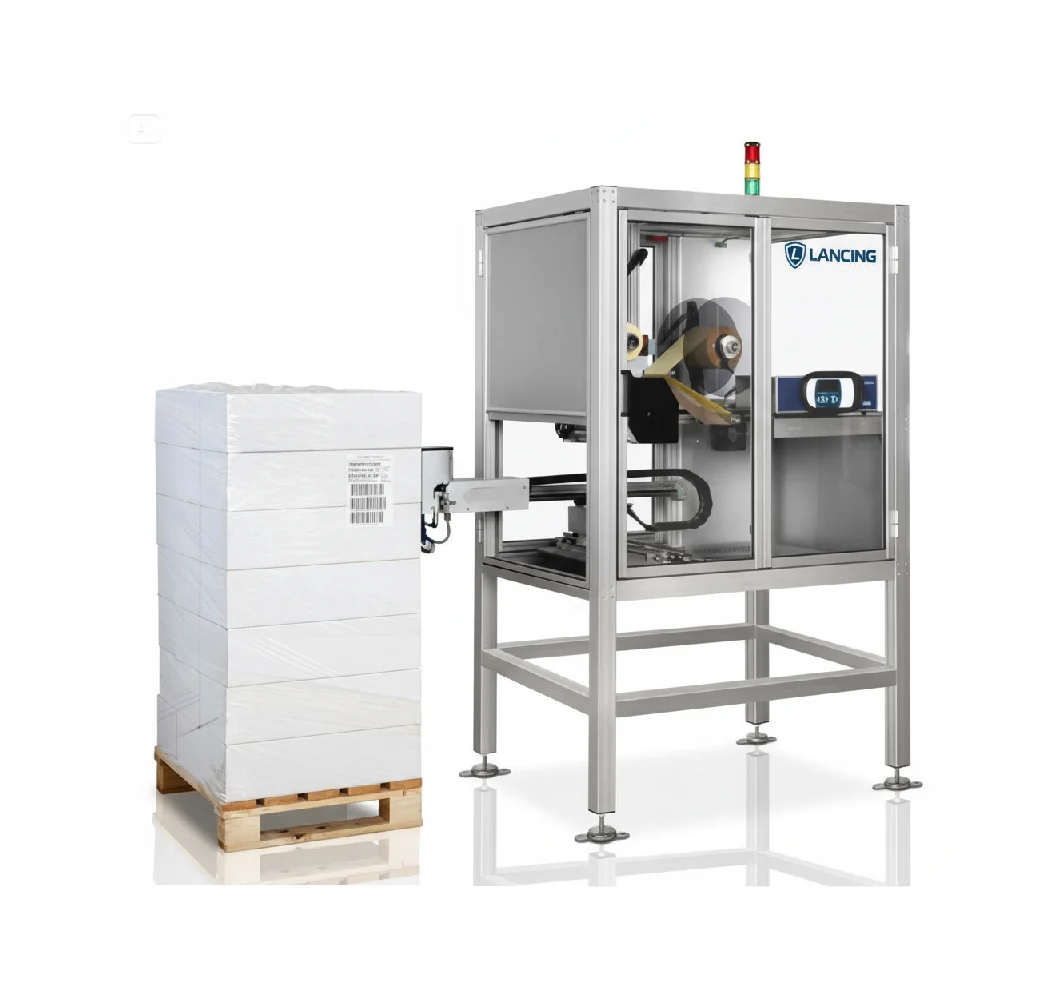
Industrial printer-applicators that print variable data in real time and apply labels directly to cartons, cases, pallets or products in motion.
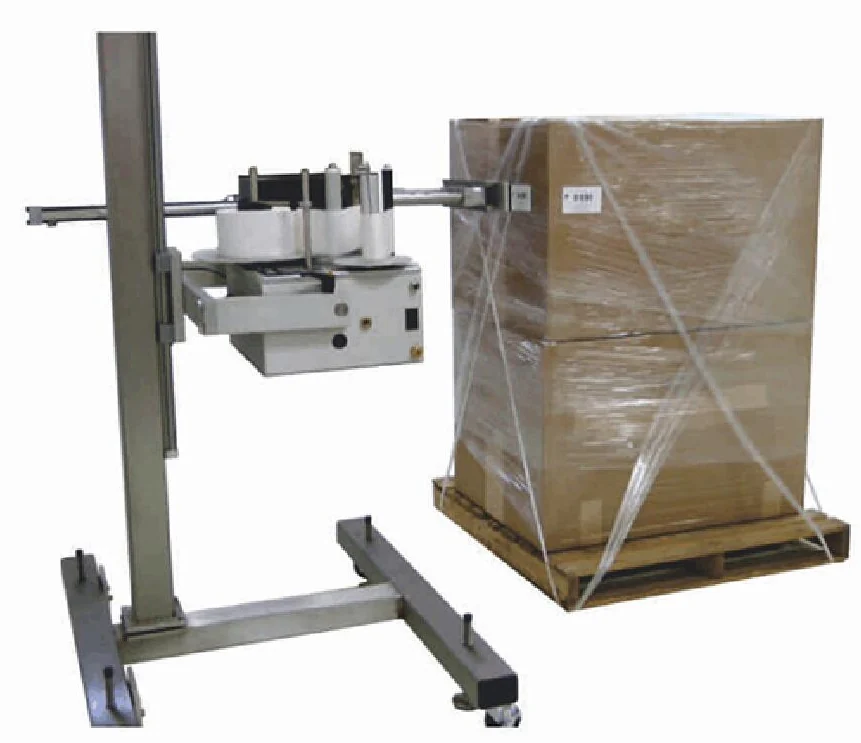
Automatic pallet and case label applicators for one, two or three side application, including logistics and warehouse identification.
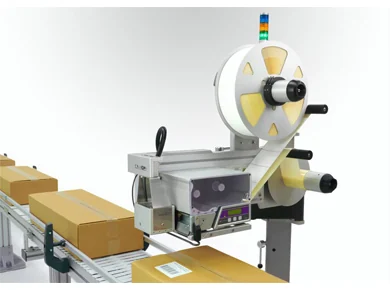
Automatic label printer applicator for barcodes, batch numbers, dates, QR codes and case identification on moving products.
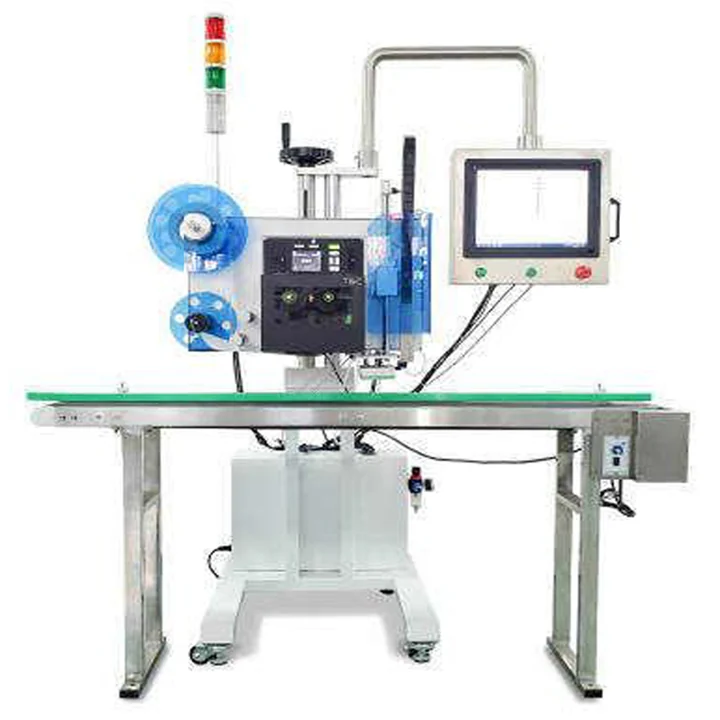
A compact print and apply set-up for production lines where space is limited but variable data and label accuracy still matter.
Print and apply systems remove the need to pre-print every label variation. The machine prints live data and applies the label straight onto the pack, giving better traceability and less manual handling.
Print GS1, QR, batch, expiry, destination and serial information as the pack reaches the labelling point.
Specify tamp, wipe, blow, top, side, front, corner-wrap or pallet label positions.
Connect sensors, conveyors, PLC I/O and database feeds to suit the packaging line.
Robust frames, guards, HMIs and print modules configured for packaging halls and warehouses.
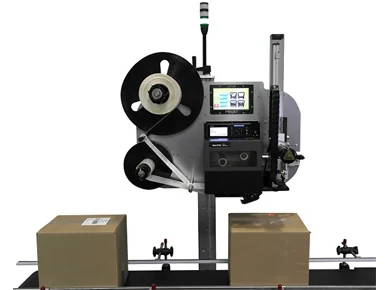
Use one machine family across outer-case, carton, tote and pallet labelling requirements.
Carton, tote and pallet identification with scannable barcodes and shipping labels.
Outer-case, batch, date and traceability labels for retail and production environments.
Flexible label templates and product data handling for high-SKU packaging operations.
Lot, batch, expiry and compliance labelling where label accuracy and traceability are critical.
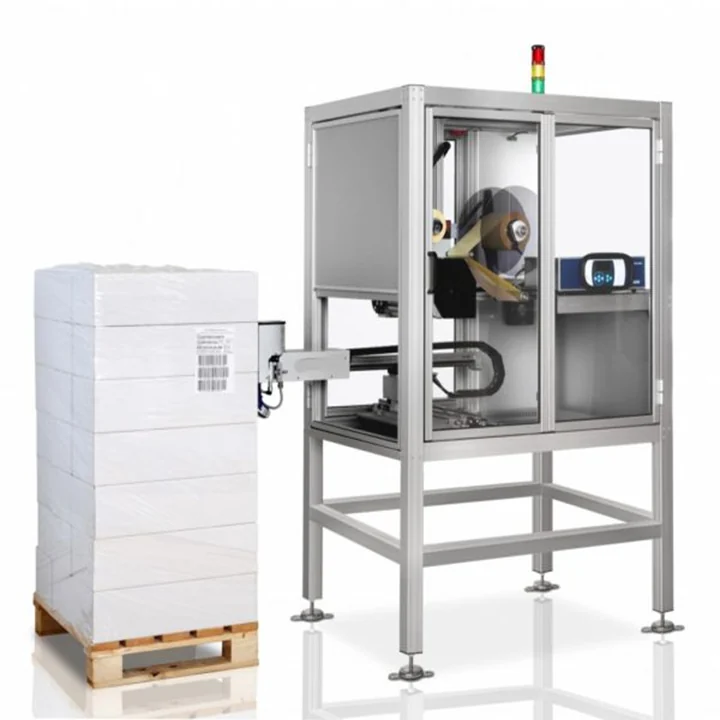
Durable product, case and pallet labels for controlled warehouse and distribution workflows.
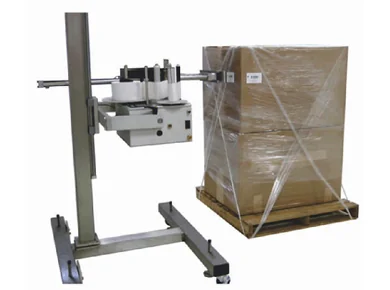
Price, product ID, SSCC and destination label application for case and pallet movement.
The quickest route to the right configuration is to provide practical information about your pack, label, data source and line layout.
Confirm label dimensions, print resolution, barcode standard, text fields and whether you need thermal transfer or direct thermal printing.
Tell us whether the label is applied to the top, side, front, corner or pallet face, and whether the pack is indexed or moving continuously.
Share packs per minute, conveyor height, available space, power, air and the data source such as ERP, scanner, database or PLC.
Common questions from buyers comparing print and apply labelling machinery.
A print and apply labelling machine prints variable information such as barcodes, dates, batch codes or QR codes and then applies the printed label directly to a product, carton, case or pallet.
Yes. Pallet print and apply systems can be configured for one, two or three side labelling, including side application and corner-wrap formats where required.
Typical print data includes GS1 barcodes, SSCC labels, QR codes, batch numbers, expiry dates, product descriptions, addresses, serial numbers and production data from a database, scanner or control system.
Tamp applicators are common for accurate placement on stationary or indexed packs, wipe applicators suit moving products, and corner-wrap modules are used when the label must cover two faces.
Yes. Print and apply systems can be supplied with stands, guarding, sensors, conveyor interfaces, I/O and project support for integration into a wider packaging line.
Send the label size, pack dimensions, apply position, line speed, barcode format, data source and any site constraints such as available space, power, air and conveyor height.
Send your label size, pack dimensions, apply position and line speed. Lancing UK can help shortlist the right system before formal quotation.
These pages target the searches buyers use before contacting a supplier and give Google clearer topical depth across pallet, case, barcode and variable-data labelling.
Start with label, data, line speed and applicator choice.
SEO routeSSCC, one/two/three-side labels and pallet presentation.
SEO routeBarcode labels for boxes, cartons and outer cases.
SEO routeBatch, date, QR, GS1, product and dispatch data.
SEO routeWarehouse, fulfilment, pallet and tote label workflows.
SEO routeConveyors, scanners, PLCs, ERP, WMS and sensors.
A reliable printer-applicator is selected as a complete process: data arrives, the label is printed, presented, applied and—where required—checked before the pack is released.
Start with the label artwork, material, adhesive, roll construction and every variable field. Confirm whether the label is direct thermal or thermal transfer and whether the print engine must reproduce fine text, graphics or dense barcode content. Resolution, print speed and ribbon choice should be confirmed against a real label rather than selected in isolation.
Tamp, wipe, blow and corner-wrap methods solve different handling problems. The decision depends on whether the pack stops, remains in motion, varies in height or needs a label across two faces. Product detection, conveyor control and surface condition are as important as the applicator head.
PLC, ERP, WMS and database integration should be defined as a data and fault-handling sequence, not simply as a communications option. Agree how a job is selected, how the correct record is confirmed, what happens after a failed print or scan, and how operators recover without creating duplicate labels.
Machine-specific figures such as label range, application cycle, reach, stroke, environmental limits and communications depend on the selected print engine and applicator. The quotation should therefore identify the evidence used for each value.
| Print method and resolution | Confirm from the selected print engine and prove with the production artwork, barcode content and intended media. |
|---|---|
| Label size and roll construction | Confirm from the final label drawing, liner, gap, core, outside diameter and unwind direction. |
| Application cycle and reach | Confirm with the real conveyor speed, product gap, apply distance, product variation and required return time. |
| Data and communications | Define the message source, job selection method, handshake, retry behaviour and loss-of-communications response. |
| Verification and reject | Agree what is checked, where it is checked, how failure is recorded and how the affected pack is contained. |
| Environment and access | Review temperature, moisture, dust, cleaning, operator access, guarding and maintenance clearance. |
This site is focused on print-and-apply systems for cartons, cases, products and pallets. Related Lancing sites cover adjacent subjects so the same search intent is not duplicated.
Send the final label, pack dimensions, application position, line video, data source and required verification. Lancing UK can identify the decisions that must be proven before quotation.
Three decisions usually define the correct print-and-apply route: when the label data becomes final, how the pack is presented to the applicator and what evidence is required before the pack can continue.
Print and apply is strongest where the label changes by product, order, batch, destination or pallet. If every pack carries the same approved label, a conventional applicator using pre-printed stock may be simpler. Confirm which fields are fixed, which fields change and which system owns each changing value before selecting the print engine.
A tamp arrangement normally needs a controlled application position, while a wipe method depends on stable pack movement and surface contact. Corner-wrap application adds a second face and a controlled transition around the corner. The product gap, conveyor behaviour and worst-case pack geometry must therefore be reviewed with the applicator motion.
A label-presence sensor, a barcode read, an expected-data comparison and a formal barcode quality assessment are different controls. Choose the level that matches the customer process, then define the line response to failure. A successful check is only useful when the affected pack can still be stopped, rejected or quarantined.
The best starting point is the condition that cannot be changed: the final label, the available application face, the conveyor sequence, the data source or the customer acceptance rule. The machine can then be configured around that constraint rather than selected from a headline specification alone.
| Label identity | Confirm approved artwork, variable fields, data source, template owner and the point at which the record becomes final. |
|---|---|
| Pack presentation | Confirm dimensions, surface, orientation, speed, gap, stopping tolerance and the worst normal variation. |
| Application motion | Choose tamp, wipe, blow or corner-wrap after reviewing pack movement, apply distance and placement tolerance. |
| Evidence | Define presence, readability, data comparison or formal verification, together with the failed-pack response. |
| Recovery | Document reprint authority, pack identification, retry limits and how duplicate labels are prevented. |
The broad machine category is owned by this homepage. More specific questions are answered on dedicated product and engineering pages so pallet, barcode, applicator and data-control intent remain distinct.
Use these technical answers to move from an initial machine search to a practical line specification.
The complete data, print, application, return and inspection sequence sets the minimum product gap—not the printer speed alone.
Match the print method, facestock, adhesive and ribbon to the pack surface, temperature and required label life.
It can when every format remains inside a controlled mechanical, label, data and timing envelope.
Applicator travel, controls, guarding, product handling, inspection and installation can change the scope more than the printer alone.
Use these technical routes to compare label source, consumables, shipping workflows, reusable containers and existing-line integration.
Choose the route by data timing, variants, inventory, inspection and recovery.
ConsumablesDefine facestock, adhesive, liner, core, unwind direction and ribbon as one approved system.
OutboundKeep one parcel tied to one final label through application, checking and rework.
Reusable containersSeparate permanent identity from temporary operational labels across repeated cycles.
Existing linesSurvey space, product control, data, utilities, guarding and shutdown requirements.
Some projects are limited by label placement; others by the information behind the label. Use the receiving specification, actual case surface and failure-recovery sequence to identify the question that needs resolving before equipment is selected.
Match barcode format and encoded data to the actual receiving process.
Keep the physical pallet, contents record and electronic despatch advice aligned.
Bind the correct accepted weight to the right case and printed label.
Qualify the bond at application and after the full cold-chain cycle.
For an existing line, also compare production-continuity options and print and apply versus direct case coding. Bring the actual artwork and line sequence to the project discussion.