Normal running
Prove each agreed format at stated speed and product gap, using the final data path and label materials where available.
Prepare representative packs, final labels, data and acceptance criteria before a print-and-apply machinery trial.
A useful trial represents production variation rather than a single ideal pack.
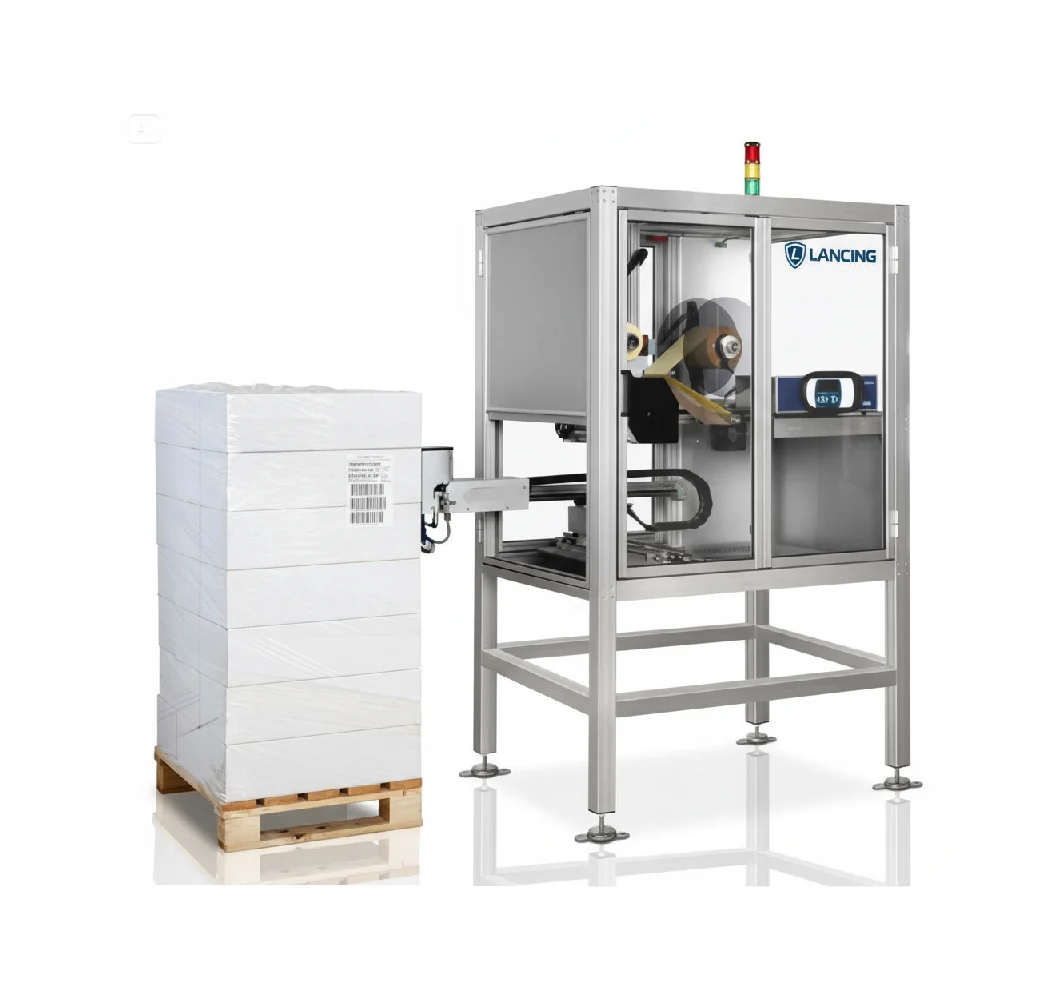
Record the setup and test conditions so a pass can be reproduced at installation.
Prove each agreed format at stated speed and product gap, using the final data path and label materials where available.
Run the minimum, maximum and most difficult representative pack conditions, including the full apply distance or face variation.
Introduce missing data, printer fault, no-label, no-read and recovery conditions that are safe and relevant to the agreed controls scope.
| Format and sample | Identify the exact pack, label, ribbon, artwork and data record used. |
|---|---|
| Line condition | Record speed, gap, apply face, distance, sensor arrangement and environmental condition. |
| Expected result | State the placement window, print/read requirement, data match and fault response. |
| Observed evidence | Keep photographs, video, scanner or verifier output, alarm records and operator recovery notes as applicable. |
| Approved setting | Record the final machine recipe, mechanical datum and controlled adjustments for the tested format. |
Use these answers to make the machine trial and controls scope more explicit.
Supply enough representative samples to prove setup, repeated running, format limits and deliberate fault conditions. The quantity depends on the range and acceptance plan rather than one fixed number.
Yes where possible. Label material, liner, adhesive, ribbon, artwork and roll construction can affect printing, dispensing, application and scan results.
It is a real pack at the limit most likely to challenge placement, adhesion or handling, such as maximum or minimum size, uneven surface, temperature condition, overhang or poor conveyor stability.
State the real conveyor speed, pack rate and product gap for each test format. A packs-per-minute figure without gap and process conditions can be misleading.
Record the condition, evidence and corrective action, then repeat the defined test. Do not accept an informal adjustment without an updated setting or result.
Send the label, representative packs, line video, data source and required acceptance evidence to Lancing UK.