Print and apply or pre-printed labels: which route should you choose?

Choose the label route by data timing, variant count, inventory, inspection and fault recovery—not by the applicator alone.

Direct answer

Choose print and apply when the label content becomes final close to the application point

Print and apply is usually the stronger route when barcodes, order details, batch information, destinations or pallet identities change from pack to pack. Apply-only machinery is often simpler when every pack uses a stable pre-printed label. The decision should be based on data timing, label variation, inventory control, verification and recovery after a fault—not on the applicator price alone.

  • Map when the label data becomes final.
  • Count genuine label variants and changeovers.
  • Define how wrong, missing or duplicate labels are contained.
  • Compare the whole operating process rather than one machine module.
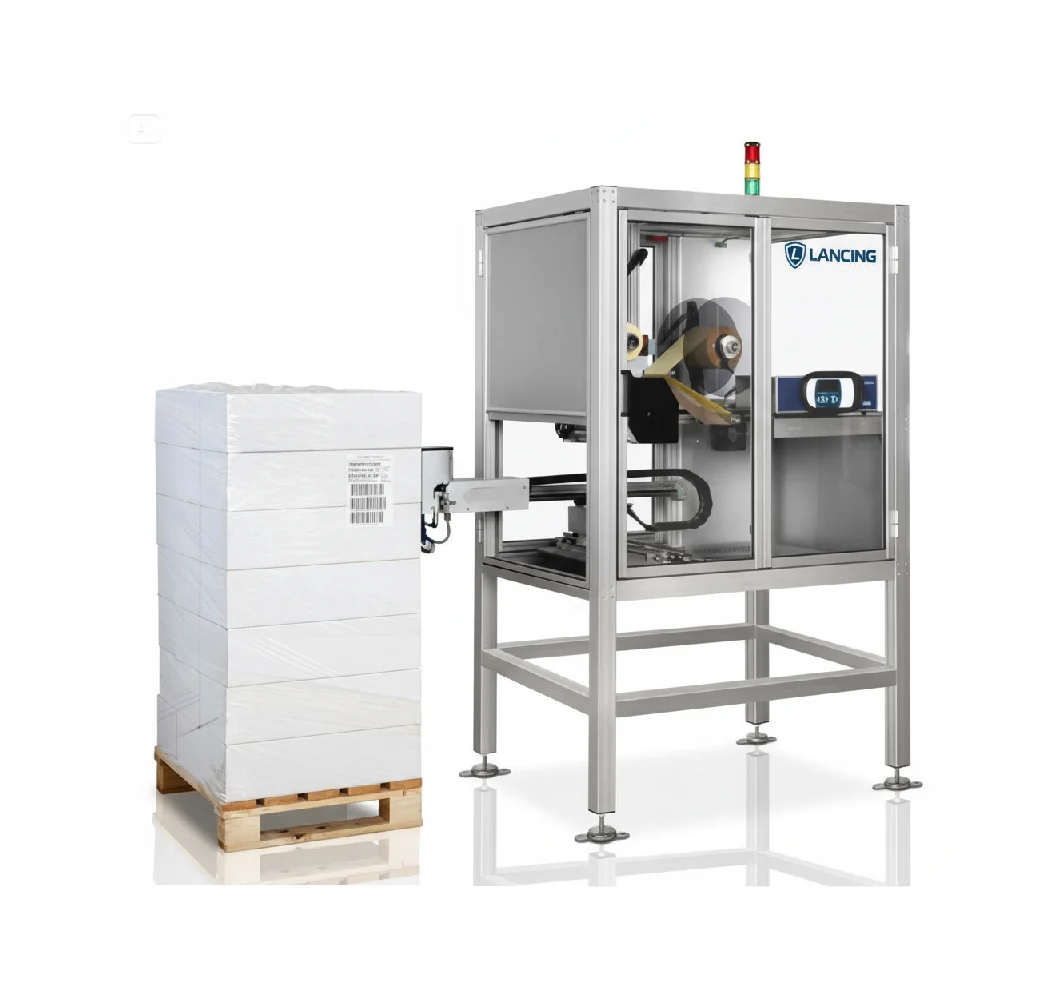
Industrial print and apply labeller for variable data labels

Print and apply compared with pre-printed label application

Both routes can automate placement. The material difference is whether the complete label exists before production or is created for the identified pack.

Decision areaPrint and applyPre-printed apply-only
Label contentFixed artwork and variable fields are printed at the line from an approved template and supplied data.The complete label is produced in advance and loaded as a finished roll.
Best fitOrders, SKUs, destinations, batches or pallet identities change frequently or late in the process.The same approved label is used repeatedly and its content is stable before the production run.
InventoryFewer finished-label variants may be required, but blank media and ribbon must be controlled.Each finished label variant must be purchased, stored, selected and reconciled.
Data riskThe controls must associate the correct record with the physical pack and prevent stale or duplicate output.The main risks are selecting the wrong roll, mixing versions or applying the label to the wrong pack.
InspectionPrint quality, decoded data, expected data and applied position can be checked as separate requirements.Presence, position and barcode readability can still be checked, but the label data was created upstream.
ChangeoverTemplate, data, media and applicator settings may change by recipe.The label roll and applicator settings normally change with the format.

When print and apply is usually appropriate

  • Each pack or pallet can need a different identifier.
  • Shipping or destination data is released near dispatch.
  • Batch, date, order or customer fields change regularly.
  • Reprints and exceptions must remain linked to the original production record.

When apply-only can be the cleaner route

  • Every pack uses the same approved finished label.
  • Labels can be stocked and version-controlled without excessive obsolescence.
  • The production process does not need live data from ERP, WMS or a database.
  • The label does not require on-line variable printing.

Where direct case coding may fit

If the requirement is a small amount of text or a simple code directly on a suitable case surface, direct coding can avoid a pressure-sensitive label. The required contrast, code size, substrate, permanence and verification method should be compared against the label route. Lancing's specialist industrial inkjet coding site covers that alternative in more depth.

Questions to answer before choosing

When does the label information become final?

If the order, destination, SSCC, weight or batch is not final until the pack reaches the line, live printing provides a controlled way to create the finished label. If the content is fixed days or weeks earlier, pre-printing may be operationally simpler.

How many real label variants must be managed?

Count artwork versions, languages, customers, destinations, pack sizes and label formats. A high variant count can create finished-label stock, selection and obsolescence risk, but live printing still needs disciplined template and data control.

What happens after a misprint or missed application?

The system must keep the affected pack identifiable and stop an uncontrolled duplicate. Define whether the pack is stopped, rejected, quarantined or recovered by an authorised reprint workflow before the equipment is selected.

How should the two routes be costed?

Compare printer and applicator hardware, finished-label inventory, blank media, ribbon, changeover time, software, inspection, integration, operator input, maintenance and waste. A headline machine price does not show the full operating boundary.
Continue the decision

Compare the routes on a real pack

Send the label artwork, pack range, data timing, expected variants and fault-recovery requirement. Lancing can help define a fair trial and quotation boundary.

Contact Lancing

Call nowContact us