Print engine and media
Confirm direct thermal or thermal transfer, resolution, printable area, ribbon and label roll construction against the real artwork.
Browse Lancing UK printer-applicator systems for variable data labels, barcode labels, case labels, carton labels and pallet labelling.
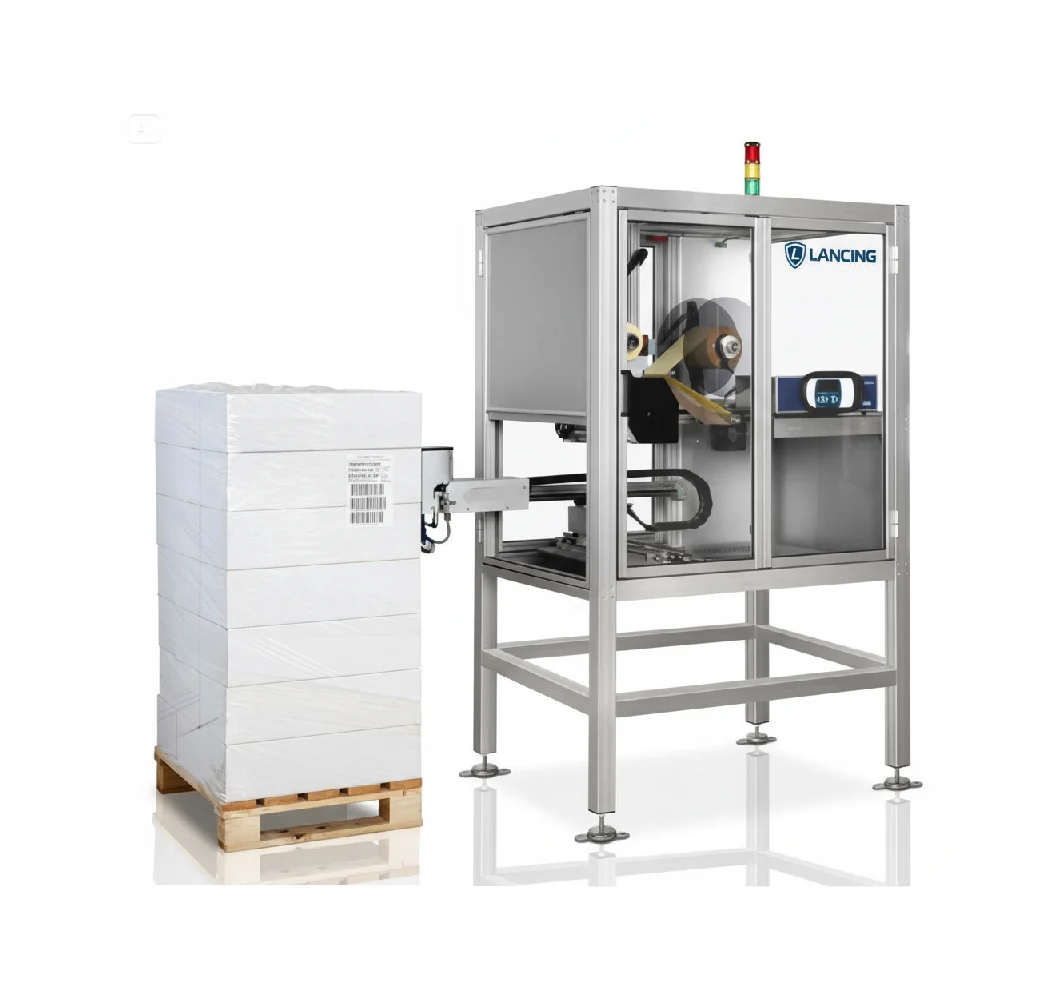
Industrial printer-applicators that print variable data in real time and apply labels directly to cartons, cases, pallets or products in motion.
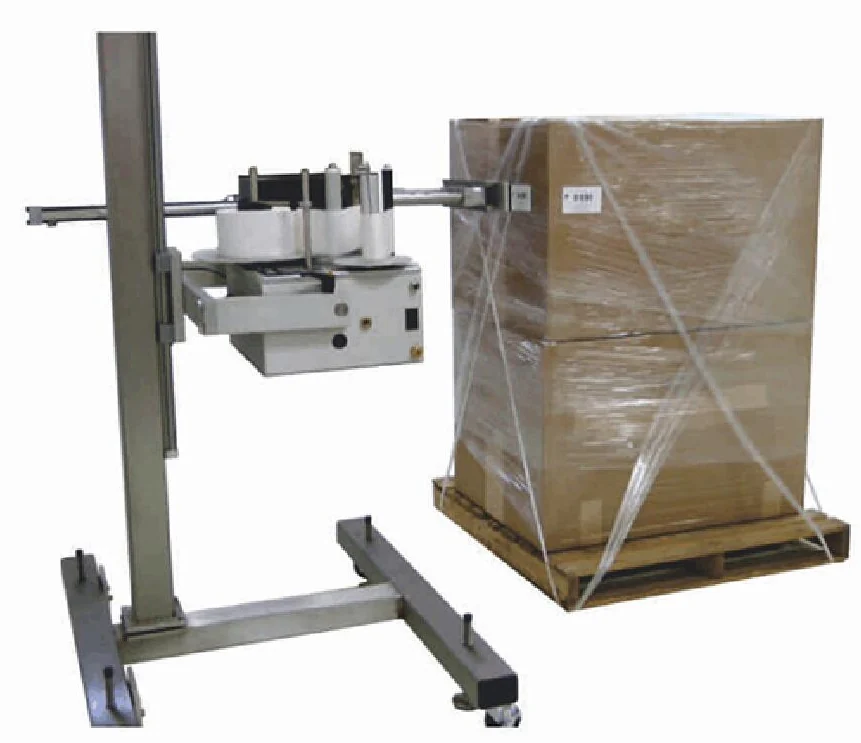
Automatic pallet and case label applicators for one, two or three side application, including logistics and warehouse identification.
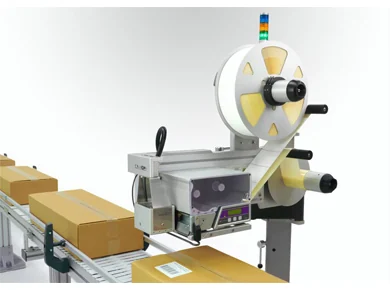
Automatic label printer applicator for barcodes, batch numbers, dates, QR codes and case identification on moving products.
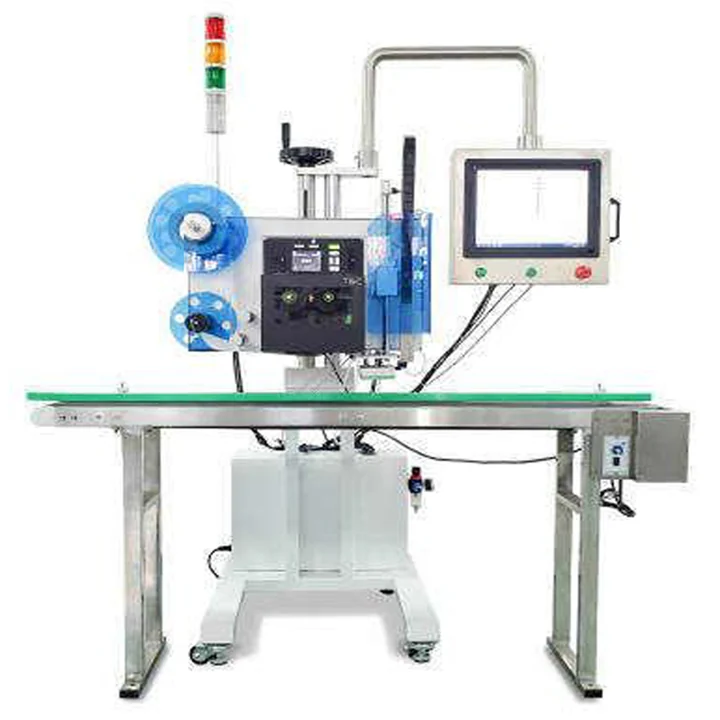
A compact print and apply set-up for production lines where space is limited but variable data and label accuracy still matter.
Every system starts with the same engineering questions: what information must be printed, where the label must be applied, how the product travels through the line and how the data reaches the printer.
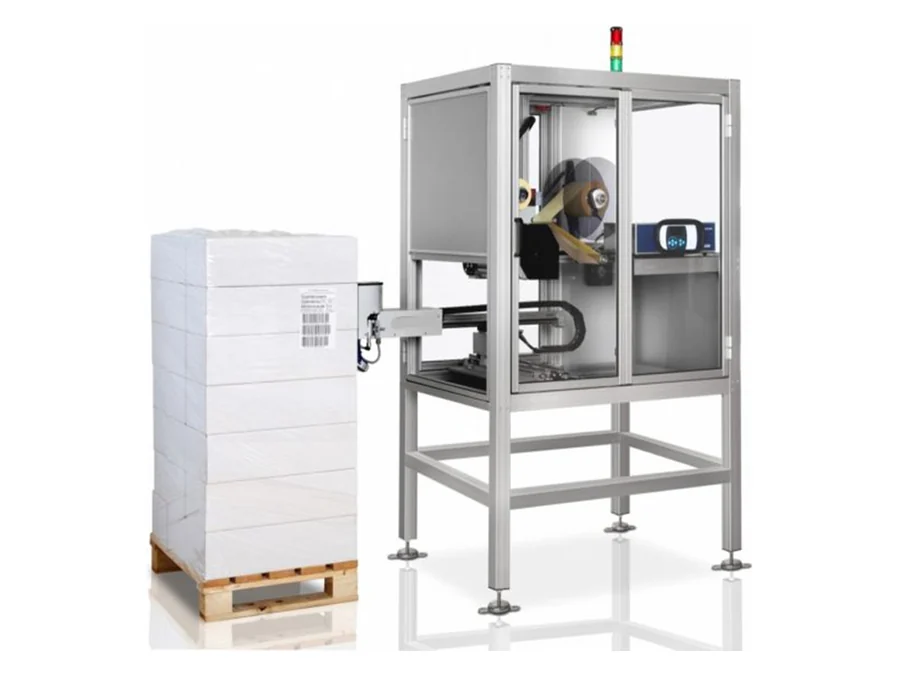
Additional landing pages for long-tail product searches such as corner-wrap and thermal transfer print and apply labellers.
Corner wrap labellers for applying barcode and identification labels across two faces of cases, cartons or pallets using print and apply technology.
Specialist productThermal transfer print and apply labellers for durable barcode, product, case and pallet labels with variable data and automated application.
The printer, applicator and mounting arrangement should be selected together. A compact system may suit a controlled carton line, while pallet and corner-wrap applications need additional reach, product control and safety review.
Confirm direct thermal or thermal transfer, resolution, printable area, ribbon and label roll construction against the real artwork.
Compare tamp, wipe, blow and corner-wrap methods using the true pack speed, gap, surface and required placement window.
Define the data source, product trigger, error recovery, scan check and reject or line-stop response before hardware is finalised.
Machine families can look similar in a brochure, but they solve different production constraints. Use the final label, pack movement, application distance and inspection requirement to narrow the configuration before comparing individual hardware.
| Changing data | Use print and apply where product, batch, date, order, destination, serial or pallet data changes at the labelling point. Define the source and timing of each field. |
|---|---|
| Label life | Review direct thermal or thermal transfer against handling, storage, light, heat, abrasion and the required life of the printed information. Prove the final media combination with production artwork. |
| Pack movement | Use the real conveyor speed, product gap, orientation and stopping behaviour to choose tamp, wipe, blow or corner-wrap application. |
| Physical reach | Confirm the nearest and furthest pack face, height range, guarding, safe clearance and maintenance envelope. Pallets and mixed-height cases can require a different station from a controlled carton line. |
| Inspection depth | Decide whether the line needs label presence, barcode readability, expected-data comparison or a documented quality assessment. Define the failed-pack response at the same time. |
| Changeover | List the formats, templates, label stocks, ribbon combinations, sensor positions and mechanical settings that operators must change and verify. |
The range is divided by engineering intent rather than by small keyword variations. Choose the page that matches the main constraint, then use the linked guides to define the data and acceptance evidence.
For variable-data labels applied to controlled packs on production and end-of-line conveyors.
Pallet handlingFor long-reach, multi-face and SSCC workflows where pallet identity and scanner access must remain controlled.
Barcode evidenceFor projects where print quality, applied-label presentation and decoded-data checks are central to acceptance.
Two-face applicationFor one label that must transfer consistently across two adjacent pack faces.
Print durabilityFor applications where the approved ribbon, label stock and environmental exposure determine print life.
Controls and softwareFor defining ERP/WMS ownership, job selection, approved templates, reprints and exception recovery.
The correct product family depends on the pack, label, movement and data workflow rather than one headline specification.
Choose print and apply when label data changes by product, order, batch, destination or pallet. An apply-only system may be simpler when the approved label is fixed and pre-printed.
Tamp, wipe, blow and corner-wrap methods respond differently to movement, contact, pack stability and label position. Trial the final surface and worst normal presentation.
Yes when the range is defined and guide, sensor, applicator, recipe and label differences can be controlled safely.
Label presence, barcode decoding, expected-data comparison and formal verification are different controls. Define the required evidence and failed-pack response before selecting hardware.
Machine selection should include when label data becomes final and how the label roll, adhesive and ribbon will be controlled.
The same printer-applicator family may be considered for different projects, but the required data and operating environment change the configuration. A barcode format, weighing interface or standby station must be specified rather than assumed from a generic machine description.
Match barcode format and encoded data to the actual receiving process.
Bind the correct accepted weight to the right case and printed label.
Compare planned stops, buffers and controlled duty/standby handover.
Compare direct printing and label application against the same case specification.