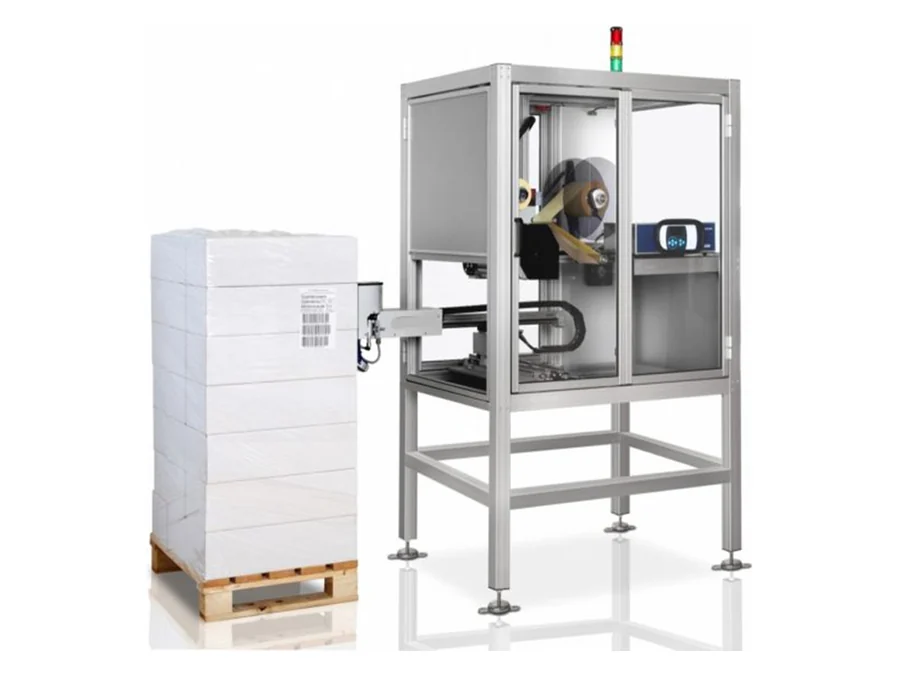
Logistics & fulfilment
Carton, tote and pallet identification with scannable barcodes and shipping labels.
Shortlist the right print and apply system by pack type, label position and data requirement.
Carton, tote and pallet identification with scannable barcodes and shipping labels.
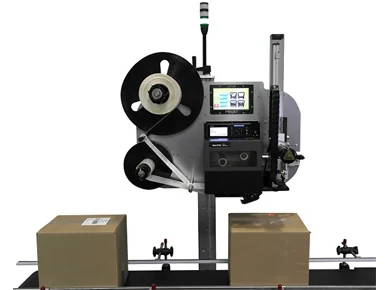
Outer-case, batch, date and traceability labels for retail and production environments.
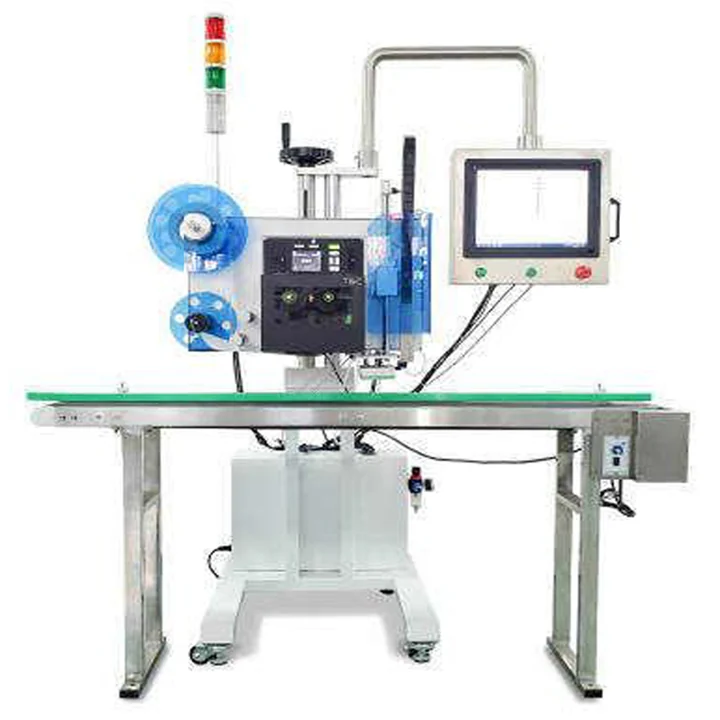
Flexible label templates and product data handling for high-SKU packaging operations.
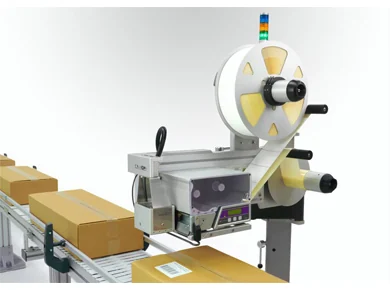
Lot, batch, expiry and compliance labelling where label accuracy and traceability are critical.
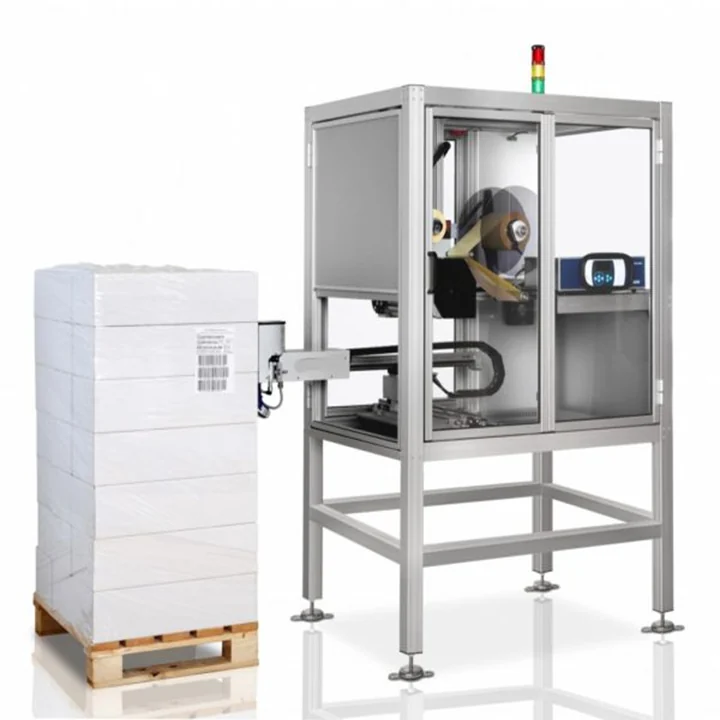
Durable product, case and pallet labels for controlled warehouse and distribution workflows.
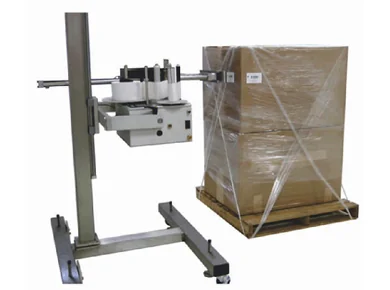
Price, product ID, SSCC and destination label application for case and pallet movement.
Print and apply labellers are normally specified around the physical apply position and the information required on the label.
Dedicated pages for case, carton, pallet, logistics, food and contract packing search intent.
Automatic print and apply labelling for cases and cartons, including barcode labels, batch codes, date codes, product IDs and dispatch labels.
ApplicationPallet print and apply labelling for SSCC, warehouse, dispatch and GS1 labels, including one, two and three-side pallet labelling systems.
ApplicationPrint and apply labelling systems for logistics, warehousing, fulfilment, pallets, cartons and totes with barcode and destination data.
ApplicationPrint and apply labelling for food outer cases, trays and cartons with batch, date, barcode, product and retail distribution information.
ApplicationPrint and apply labelling systems for contract packers and co-packers handling frequent changeovers, multiple SKUs and variable customer labels.
Two lines using the same label can need different machinery when product stability, conveyor gap, apply distance or data ownership changes.
Check panel flatness, board condition, conveyor tracking and whether the label is applied while the pack moves or pauses.
Confirm face access, load variation, stopping position, reach, label placement and safe containment of a failed pallet label.
For logistics and contract packing, define how each pack is matched to the correct order, template and barcode record.
Choose a face that is consistently accessible, supports the complete label and remains visible to the intended scanner. Use a measurable datum and include seams, flaps, film and product variation.
Texture, dust, moisture, temperature, curvature and loose film influence adhesive contact and the required applicator method.
Define the authoritative record, pack identifier, approved template, timeout response and controlled reprint process before selecting the printer-applicator.
Use the complete line sequence with the longest label, furthest travel, smallest product gap, required inspection and representative faults.
These applications require distinct decisions around data timing, pack presentation, label life and recovery.
Qualify the bond at application and after the full cold-chain cycle.
Bind the correct accepted weight to the right case and printed label.
Keep the physical pallet, contents record and electronic despatch advice aligned.
These routes supplement the existing case, pallet and shipping applications. They distinguish the information that must travel with the pack from the physical conditions in which a label must work.